
Spring Repair
A snapped torsion or extension spring, a door that weighs a ton by hand, or a gap in the coil above the opening.
More on Spring Repair →Since January 1, 1993, every home opener sold in the US has had to confirm a second safety device, usually a pair of photo eyes, on each close. One bumped sensor and the door simply refuses to come down.
Most Santa Clarita opener calls come down to something the unit was built to watch for: a blocked or crooked sensor, a door too heavy to lift, or lost power. Match what you see, then call before forcing anything.
The door starts down and pops back up. A photo eye knocked out of line or dirty is the usual reason.
The motor runs but the door stays put. Often a broken spring: the opener steers the door and was never meant to lift its full weight.
Holding the wall button forces a close past a sensor fault. Fine in a pinch, but the eyes still need fixing.
Remote and keypad do nothing while the wall button works. That points at the transmitter, its battery or its pairing, not the motor.
Travel limits set wrong, a binding roller, or a door out of balance that the opener cannot finish lifting.
A backup battery that no longer holds a charge. Built-in units usually last one to two years, depending on use.
| What you notice | Usually the opener | Usually the door |
|---|---|---|
| Sound | Clicks or silence when you press the button | Motor strains or hums while the door sits still |
| By hand, release pulled | Door lifts easily and stays put part-way | Door feels heavy or drops when let go |
| Remotes | Remote or keypad fails, wall button works | Every control fails the same way |
| Reversing | Sensor lights blink or one is out | Door binds or rubs in the track on the way down |
Because a lot of them are working on doors from the 1980s and 1990s. The 1980s was the biggest building decade in Santa Clarita, 25.9% of homes, and roughly 59% of local housing went up between 1980 and 2009. Some of those garages still run an older unit, and a unit made before 1993 predates the federal photo-eye rule. Summer heat adds stress too: the Saugus weather station averages 94.3 F for an August high. On every opener call we work across the whole system, from sensors, travel limits and force settings to the trolley, the release, the remotes and the backup battery, and we tell you plainly when a repair is no longer worth it.

Tell us what the opener does, the brand if you can read it off the motor, and whether the wall button behaves differently from the remote.
We release the door and lift it by hand first, so we know whether the problem is the opener or the door it pulls. Then a written price.
We agree a visit window anywhere in Santa Clarita and bring common sensors, gears, trolleys and remotes so most fixes finish on the first trip.
We run the door through several full cycles, check that it reverses on an obstruction, show you the release and clear away the old parts.
It unhooks the door from the opener so you can move it by hand. UL 325 requires that handle to be red and easy to spot, and DASMA advises hanging it no higher than six feet off the floor. The catch: once released, only the springs hold the door, and with a snapped spring a door can drop on its own. Pull it with the door closed, keep clear underneath, and if the door feels heavy, see our garage door spring repair page.
California asks anyone servicing a home opener to check that it reverses on a rigid 2-inch obstacle, and to tag a unit that fails with a red warning notice. We run that test on every Santa Clarita job, plus a balance check of the door itself, because an opener on an unbalanced door will not stay fixed.
Six kinds of garage door jobs, each on its own page with the parts involved, the warning signs and what a visit looks like.
A snapped torsion or extension spring, a door that weighs a ton by hand, or a gap in the coil above the opening.
More on Spring Repair →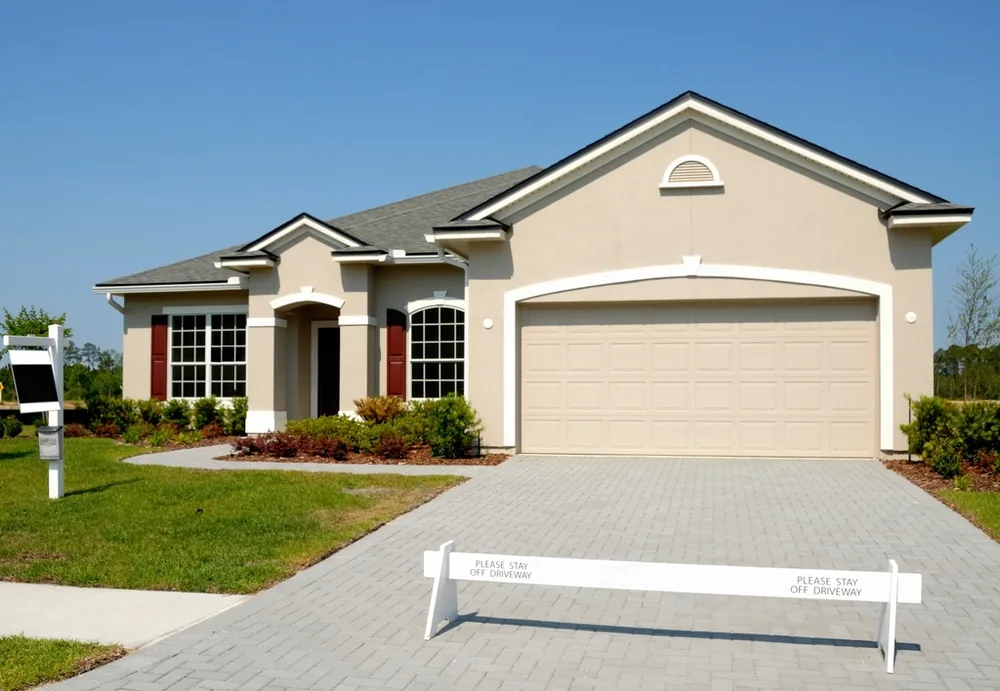
Openers that hum without lifting, reverse for no reason, ignore the remote or stop halfway up the track.
More on Opener Repair →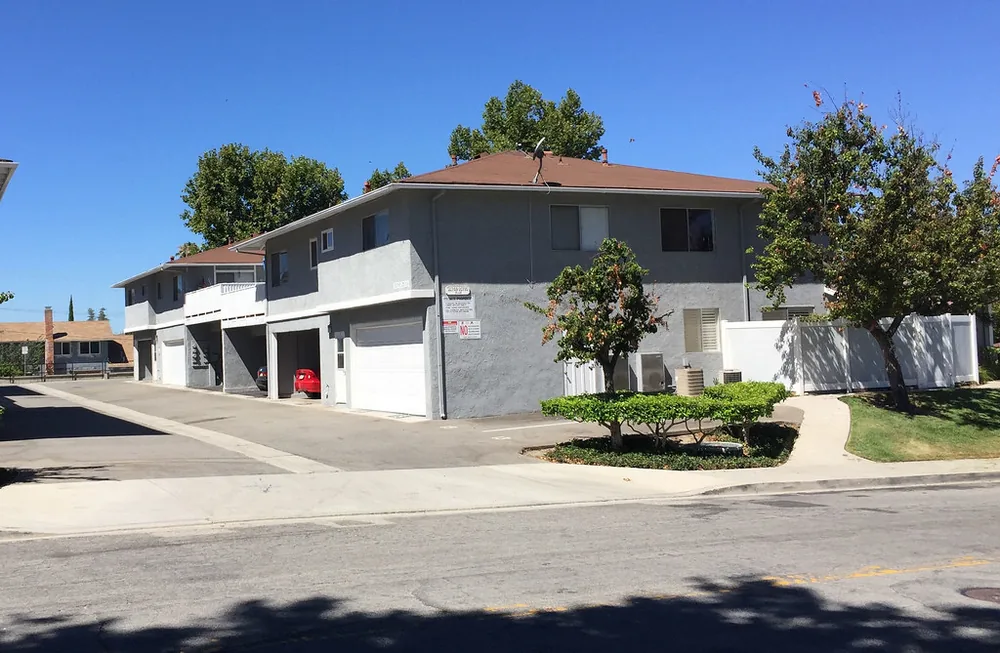
Chain, belt, screw and wall-mount openers fitted to the door you have, with the battery backup California requires.
More on Opener Installation →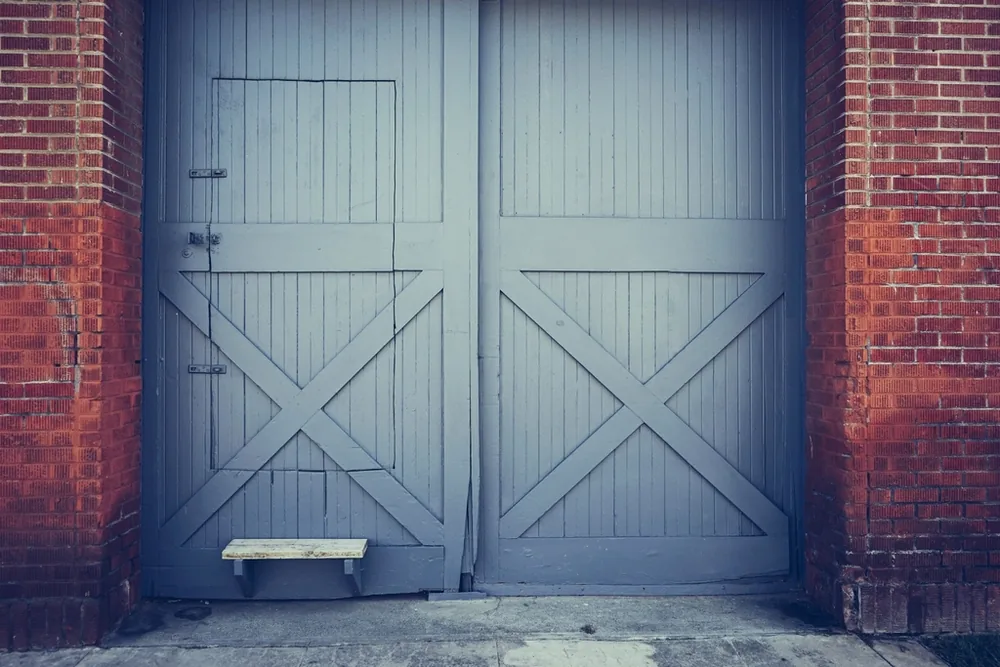
Steel, wood-look, carriage-style and glass sectional doors measured, hung, balanced and sealed in one job.
More on New Door Installation →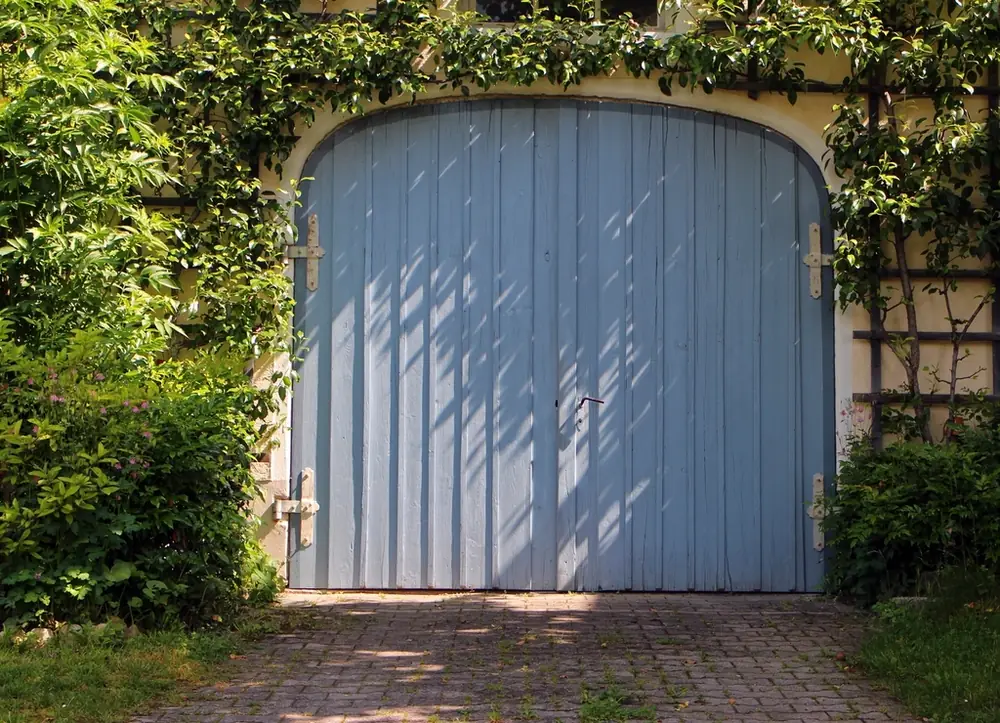
A frayed or slack lift cable, a roller out of the track, a crooked door or a bent section of rail.
More on Track and Cable Repair →
Insulated door options, new bottom rubber, side and top seals for garages that bake in a valley summer.
More on Insulation and Seals →